
Ayahuasca or Yagé? Know the difference
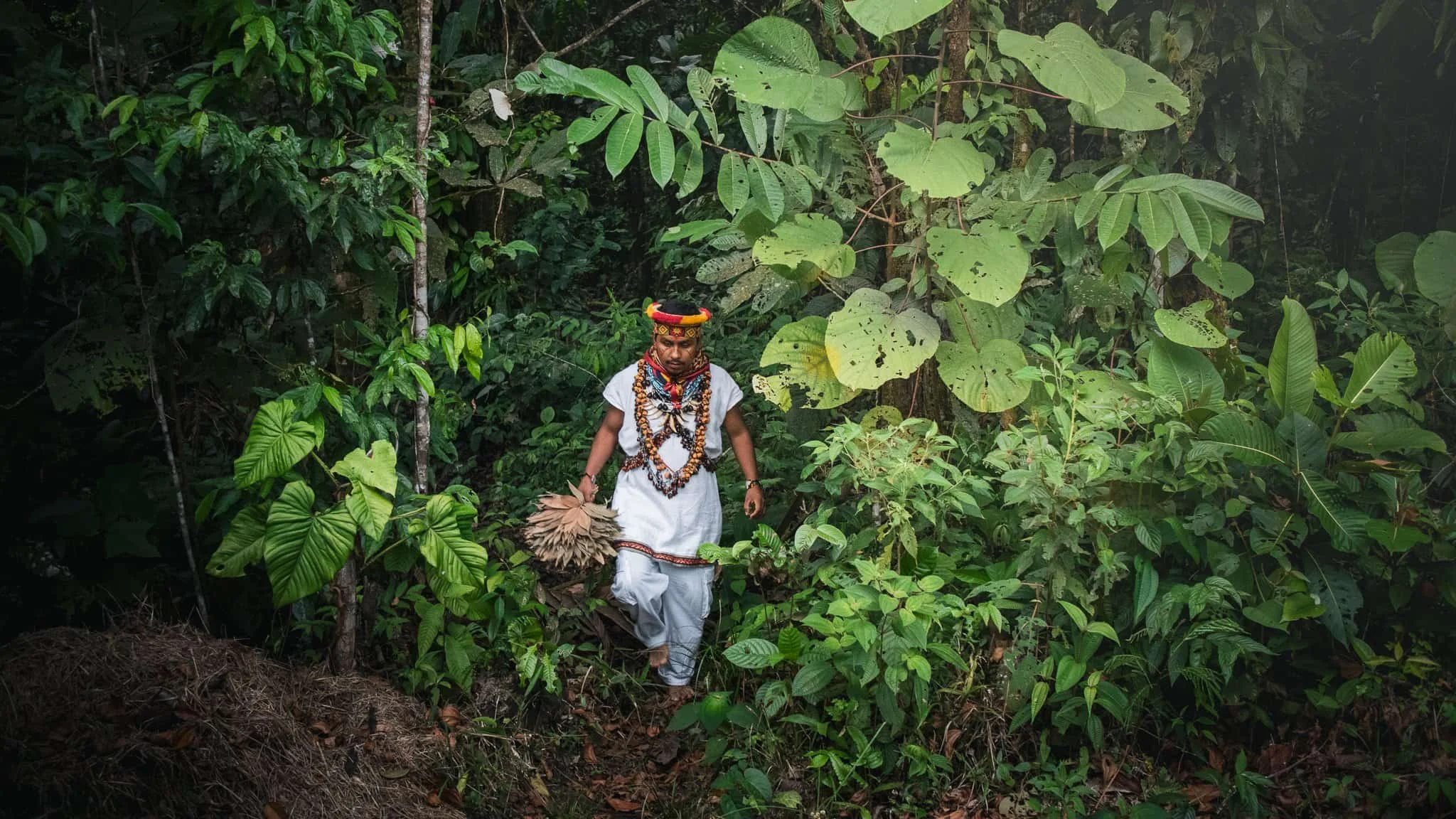
While the names Ayahuasca and Yagé are often used interchangeably, they represent two distinct branches of the same ancient medicinal tree. Both brews share the sacred Banisteriopsis caapi vine as their foundation, yet they differ in their botanical admixtures, cultural lineages, and energetic signatures. This guide explores the nuances between the Peruvian and Colombian traditions, helping you understand how geography and ancestry shape the healing journey of the soul.
🌿 Botanical Nuances: The Shared Root and Different Leaves
At the core of both medicines is the "Vine of the Soul," known scientifically as Banisteriopsis caapi. This vine contains the alkaloids necessary to make the medicine active when consumed. However, the secondary plant added to the brew, often called the admixture, is usually where the two traditions diverge.
In the Peruvian and Brazilian traditions of Ayahuasca, the most common companion plant is Chacruna (Psychotria viridis). This combination is known for its visionary depth and is often described as having a nurturing, feminine quality.
In the Colombian and Ecuadorian traditions of Yagé, healers often choose Chaliponga or Chagropanga (Diplopterys cabrerana). This plant contains a slightly different chemical profile which can result in a more intense, long lasting experience. Because of these botanical variations, the visions and physical sensations of Yagé are often described as being more "electric" or forceful than those of Ayahuasca.
🌎 Cultural Heritage: From the Shipibo to the Cofán
The differences are not just botanical; they are deeply rooted in the history of the tribes that have protected this wisdom for centuries.
Ayahuasca is most strongly associated with the Shipibo and Mestizo cultures of Peru. Their ceremonies are famous for the use of Icaros, which are sacred geometric songs sung by the healer to navigate the patient’s energetic field.
Yagé belongs to the "Culture of the Yajé" in the Upper Amazon of Colombia, held by lineages such as the Cofán, Inga, and Siona. Here, the medicine is seen as a tool for profound spiritual cleansing and communal strength. The traditions of the North often involve different rhythmic elements and a focus on the "Pinta," the colorful, symbolic visions that provide guidance for the individual and the community. Understanding these Cultural Lineages is essential for approaching the medicine with the respect it deserves.
🥁 The Ceremonial Container: Icaros and Taitas
The way a ceremony is held significantly influences your internal experience. In an Ayahuasca setting, you will often find a focus on the delicate, melodic songs of the Shaman. The space is usually dark and very quiet, allowing the Icaros to "paint" the visions for the participants.
In a traditional Yagé ceremony, the atmosphere can feel more robust. In the Colombian tradition, healers are known as Taitas, a word meaning "Father" or "Elder." While music is still a central pillar, there is often a strong emphasis on the presence and authority of the Taita. The rituals might include the use of specific instruments like the harmonica or leaf fans called "Wairas" to move energy through the room. Each style offers a different way to feel safe and supported during the deep work.
✨ Energetic Signatures: The Grandmother and the Tiger
Many people who have worked with both traditions describe a difference in the "personality" of the medicine. Ayahuasca is frequently personified as the "Grandmother Spirit," a wise, nurturing, yet sometimes stern teacher who guides you through emotional landscapes with a motherly touch.
Yagé, on the other hand, is often associated with the energy of the Tiger or the Jaguar. It is perceived as being more direct and powerful, pushing through blockages with a fierce, purifying strength. It is a medicine that demands great courage and surrender, but it is also praised for its ability to provide incredible clarity and a sense of spiritual rebirth. To prepare for this kind of intensity, following a proper Diet and Preparation is vital.
🔥 Purity and Potency: A Matter of Respect
Regardless of which name is used, the most important factor is the integrity of the brew and the person serving it. Traditionally, both Ayahuasca and Yagé should be prepared with only the vine and the leaf, without the addition of dangerous admixtures like tobacco juice or deliriant plants.
Potency is not just about the concentration of the liquid; it is about the intention of the Taita or Shaman and the prayer put into the pot during the days of cooking. A "strong" medicine is one that is clean and served in a space of high integrity, ensuring that the participant can return to their daily life with clear insights and a balanced heart. Safety always comes first.
🦜 Our Dedication to the Yagé Way
At Jungle Harmony, we have dedicated our lives to preserving and sharing the Yagé tradition specifically. We work exclusively with the Colombian Cofán lineage, guided by authentic Taitas who have been trained in these ways since childhood.
We match the principles of this article perfectly because we believe in the "Tiger" energy of Yagé, providing a powerful, authentic container for those ready for deep transformation. Our medicine is brewed in the traditional way, with purity and prayer as our primary ingredients. By combining this ancestral wisdom with modern, trauma-informed support, we ensure that the intensity of Yagé is met with the care and Safety Protocols necessary for a safe, life changing experience in the heart of the Amazon.
